
- Call Now (905)-456-6483
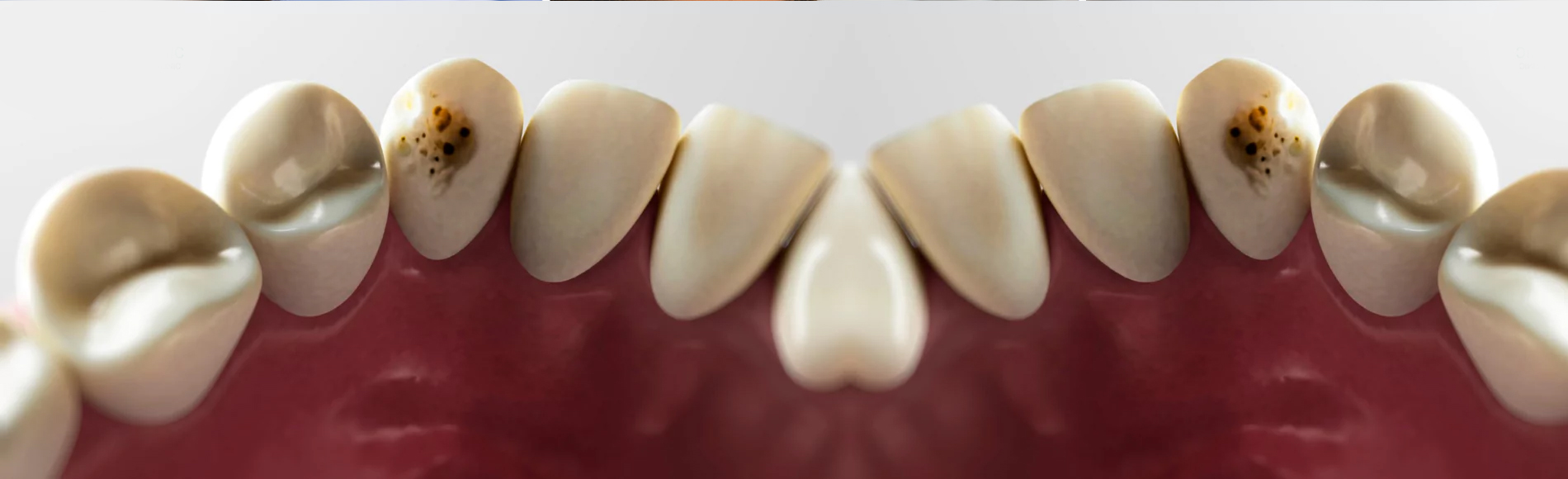
If you've been told you have a cavity, you may wonder, “Can I wait to get it fixed?”
The answer isn't always straightforward. Cavities can progress at different rates, depending on factors such as oral hygiene, diet, the location of the decay, and your individual oral health.
What starts as a small problem can become more difficult to treat if it is left untreated.
Yes. Tooth decay generally does not repair itself once a true cavity has formed.
As decay progresses, it can move deeper into the tooth. A small cavity may eventually become large enough to cause sensitivity, pain, or damage to the tooth.
That's why dentists often recommend treating cavities before they become more extensive.
There is no exact timeline.
Some cavities may progress slowly, while others can develop or worsen more quickly. You cannot reliably determine how fast a cavity is progressing simply by how the tooth feels.
A cavity can sometimes develop without causing noticeable symptoms.
Untreated decay can potentially lead to:
In some cases, a tooth that could have been treated with a simple filling may eventually require more complex treatment.
No.
A cavity can be present without causing pain, particularly during its earlier stages.
This is one reason regular dental examinations are important. Your dentist may identify areas of decay before you notice symptoms yourself.
If your dentist has recommended treatment, it's best to discuss your options rather than simply waiting for pain to appear.
Depending on the size and location of the cavity, treatment may involve a filling or another type of restoration.
Think you may have a cavity or have already been told that you need one?
Call Iris Dental Group or book your appointment online. Our dental team can examine your tooth, explain your treatment options, and help prevent a small problem from becoming a bigger one.
Don't wait for a cavity to start hurting. Contact Iris Dental Group today to schedule your appointment.
© Copyright Iris Dental Group All Rights Reserved. Developed by Tas Technologies